Post-quantum security
built for Malaysia.
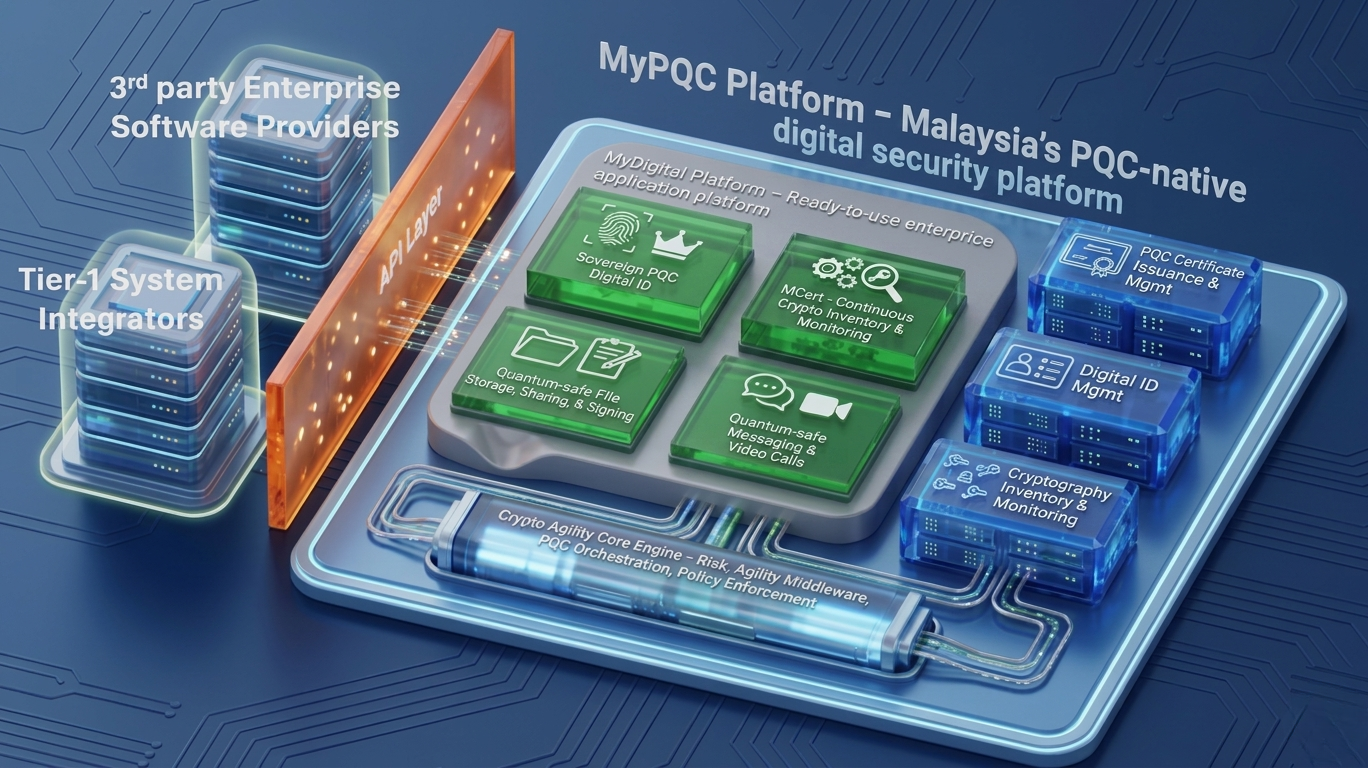
MyPQC is Malaysia's post-quantum digital security platform. You get four ready-to-use quantum-safe apps and managed PKI and crypto-monitoring services and a developer API.
It all runs on a Crypto Agility Core Engine. You can change cryptographic algorithms by policy without touching application code.
NIST FIPS 203 / 204 / 205 plus Malaysia's KAZ-SIGN · W3C DID · Digital Signature Act 1997
The NIST post-quantum standards plus Malaysia's KAZ-SIGN
The platform
One platform for the move to post-quantum
The Crypto Agility Core Engine sits at the bottom and decides which algorithms run. On top of it are ready-to-use apps and managed PKI and monitoring and an API for the vendors and integrators who build on it.
Crypto Agility Core Engine
Risk scoring · agility middleware · PQC orchestration · policy enforcement. This is the foundation.
Ready-to-use apps
Digital ID · signing · secure file sharing · quantum-safe messaging. Deploy in days.
Managed services
PQC certificate issuance · digital ID management · continuous cryptography monitoring.
API layer
One integration surface for enterprise software vendors and Tier-1 system integrators.
Products
Adopt the platform or one product at a time
Take the whole platform or start with a single product. Every one uses post-quantum algorithms by default. Every one can change them by policy.
Sovereign PQC Digital ID
Self-sovereign identity on the W3C DID data model with post-quantum keys and X.509 linkage for legally recognized signatures.
Learn moreMCert Crypto Inventory
Find and track every algorithm and key and certificate you run. Then you'll know what to migrate first.
Learn morePQC Document Signing
Add a post-quantum signature to any file including PDFs. Anyone can verify it with no special software.
Learn morePQC Secure File Sharing
Encrypt · store · share files with post-quantum key encapsulation and per-recipient access control.
Learn moreCrypto Agility Core Engine
Change cryptographic algorithms by policy across your whole estate with no application rewrites.
Learn moreAntrapol JCE SDK
A drop-in Java provider for the NIST algorithms ML-KEM · ML-DSA · SLH-DSA plus Malaysia's optional KAZ-SIGN with policy-driven agility.
Learn moreWhy MyPQC
National. Quantum-safe. Agile by design.
National by design
Built and run in Malaysia. KAZ-SIGN is a Malaysian post-quantum signature offered alongside the NIST standards.
Post-quantum by default
Post-quantum algorithms are the default for identity · signing · encryption.
Crypto-agile core
Change algorithms centrally by policy as standards and threats change.
One integrated platform
Inventory and migrate and run quantum-safe security from one place.
News
Post-quantum cryptography news
The latest post-quantum cryptography news from Malaysia and around the world.
Check Your Vendors’ Quantum-Safe Readiness with New Tool from Nacha’s Payments Innovation Alliance
Read moreCertes Receives Frost & Sullivan’s 2026 Global Post-Quantum Cryptography Enabling Technology Leadership Recognition
Read more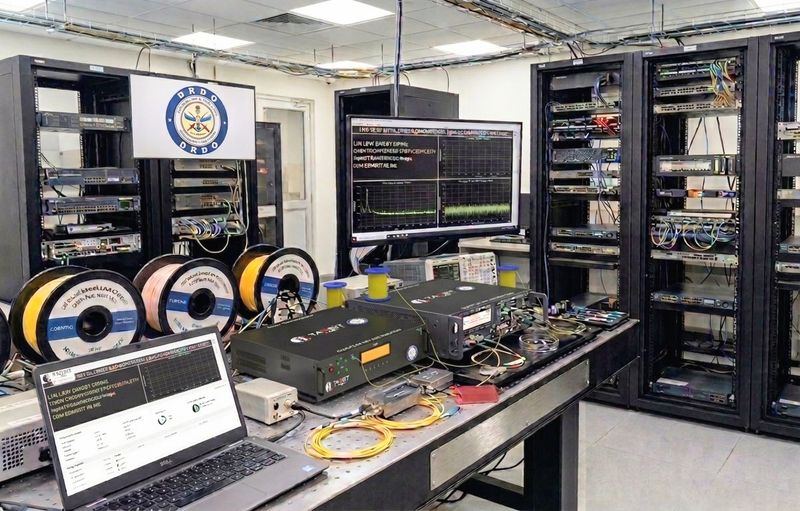
DRDO tests quantum-secured communication system on operational military network
Read more
ZKsync Unveils Airbender Prime: Post-Quantum Ethereum Proving Now Runs On A Single GPU
Read more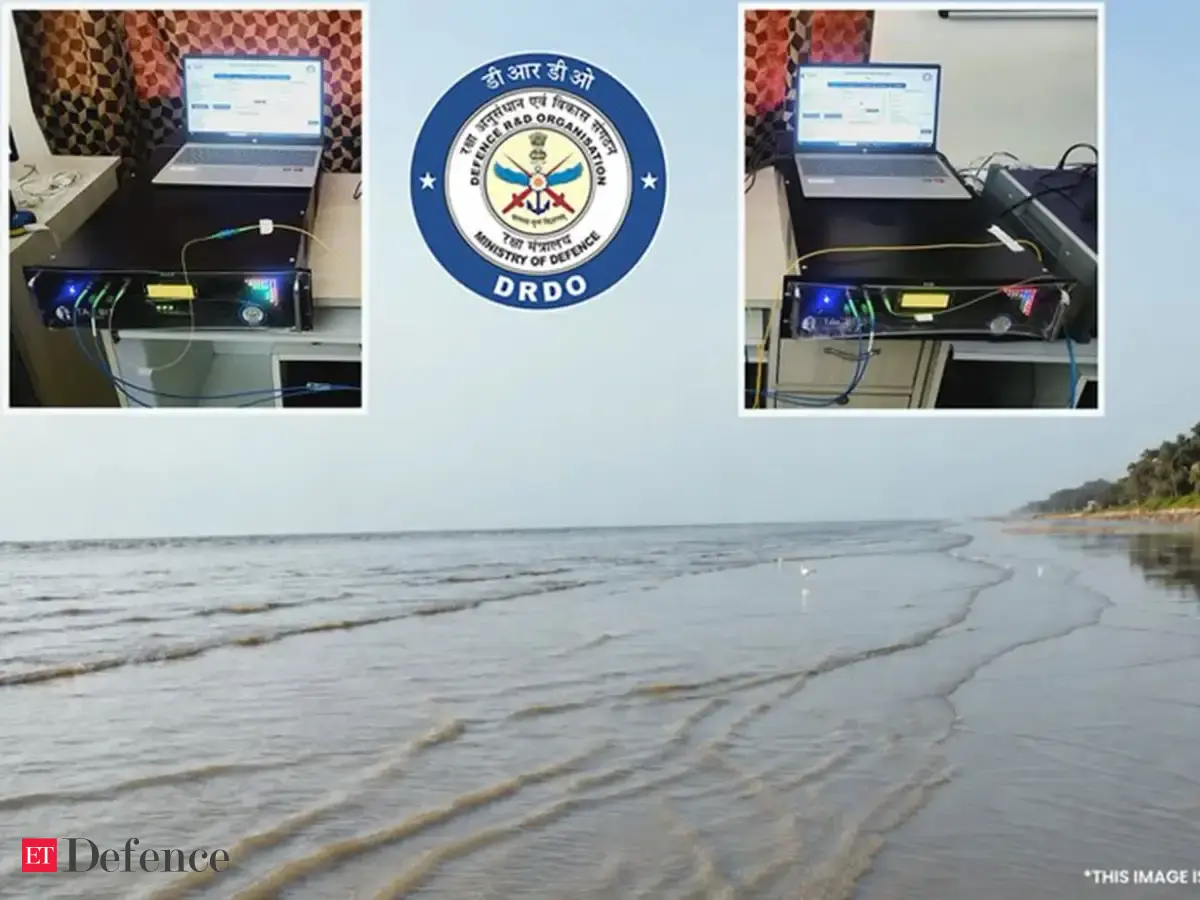
DRDO successfully tests Quantum Key Distribution(QKD) platform in live network
Read more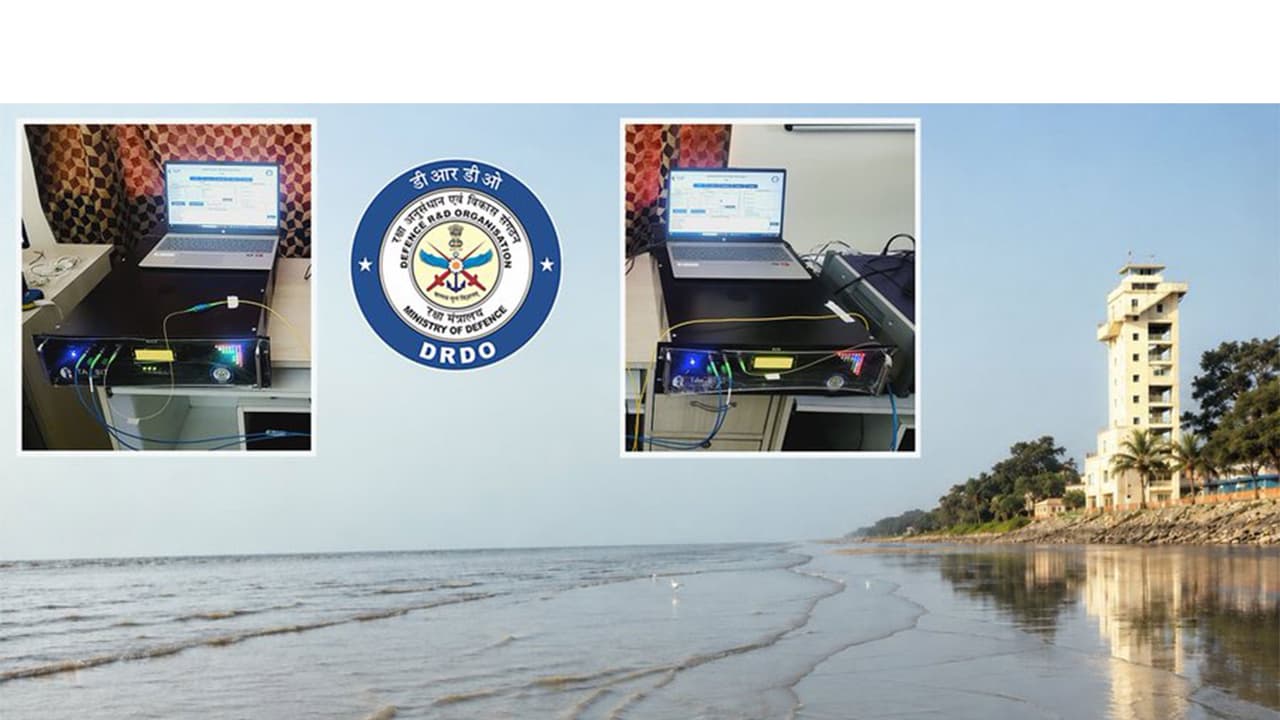
DRDO successfully tests Quantum Key Distribution, boosts secure comms
Read moreFor developers
Quantum-safe crypto in the API you already use
The Antrapol JCE provider keeps the standard Java Cryptography classes (Signature, KeyPairGenerator, Cipher). What
changes is that algorithm choice and output packaging are driven by policy. It ships the NIST
algorithms ML-DSA · ML-KEM · SLH-DSA plus Malaysia's KAZ-SIGN.
import java.security.*;
import com.antrapol.jce.Antrapol;

Antrapol.install();

// Post-quantum ML-DSA (FIPS 204) via the standard JCE API
KeyPairGenerator kpg = KeyPairGenerator.getInstance("ML-DSA", "Antrapol");
KeyPair kp = kpg.generateKeyPair();

Signature signer = Signature.getInstance("ML-DSA-65", "Antrapol");
signer.initSign(kp.getPrivate());
signer.update(payload);
byte[] sig = signer.sign(); // agility-encoded and quantum-safe
Start your post-quantum migration
See MyPQC in action and get a quantum-readiness assessment for your organization.